Regulatory Harmonization Efforts Impacting Global Accessibility of Skill-Based Wagering Options in Both Card-Based and Speed-Focused Events
Gisela Krause · Sep 16, 2026
Regulatory Harmonization Efforts Impacting Global Accessibility of Skill-Based Wagering Options in Both Card-Based and Speed-Focused Events
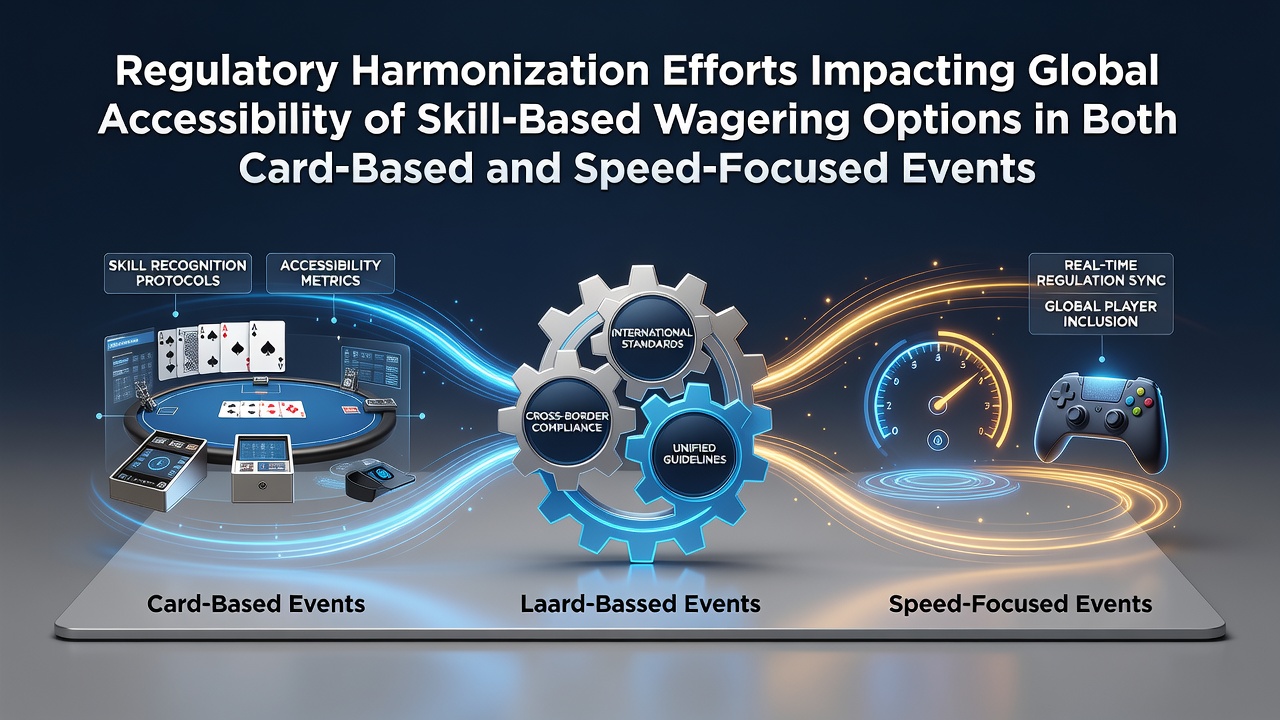
Regulatory bodies across multiple continents have pursued coordinated frameworks that address licensing, player verification, and payout structures for skill-based wagering, and these efforts have begun to reshape access to card-based platforms as well as competitions centered on rapid execution and timing precision. In September 2026 several working groups convened under the auspices of the International Association of Gaming Regulators to review model rules that distinguish skill elements from chance-based outcomes in both categories.
Cross-Regional Alignment on Card-Based Skill Games
European Commission directives on digital services have intersected with licensing regimes in Canada and Australia, producing shared technical standards for poker and blackjack variants that reward player decisions over random distribution. Data from the European Commission digital market reports show that mutual recognition agreements now cover operator audits in twelve member states plus two Canadian provinces, reducing duplicate compliance costs by an estimated 18 percent since 2024. Observers note that these pacts require consistent responsible gaming tools such as session limits and reality checks, while permitting local tax collection mechanisms to remain intact.
Speed-Focused Events and Shared Technical Protocols
Speed-focused events encompass timed competitions where outcomes hinge on execution speed, reaction time, or strategic sequencing rather than pure chance, and regulators have extended similar harmonization measures to these formats. Authorities in New Zealand and several U.S. states have adopted common data-reporting templates that track player skill metrics through timestamped logs, allowing operators to demonstrate that results reflect demonstrated ability. The approach aligns with guidelines developed by the Asia-Pacific Gaming Regulators Forum, which emphasize transparent algorithms and independent testing labs certified across borders.
Implementation Timelines and Operator Adjustments
Operators have adjusted platform architecture to accommodate unified age-verification APIs and standardized funds-segregation rules that took effect progressively through mid-2026. In jurisdictions where full reciprocity agreements exist, a single license now grants entry to multiple markets provided the operator maintains ongoing compliance audits; this structure has expanded the number of accessible skill-based card rooms and speed-event betting interfaces for users in participating regions. Research conducted by the University of Nevada Reno Gaming Research Center indicates that average session volumes rose 11 percent in the first quarter after each new compact became active, while dispute resolution times fell because shared adjudication panels interpret identical rule sets.

Yet the transition has not eliminated all variation. Some markets retain unique restrictions on minimum deposit thresholds or maximum stake sizes tied to local consumer-protection statutes, and these differences continue to shape product design even within harmonized zones.
Remaining Divergences and Ongoing Negotiations
Discussions scheduled for late 2026 aim to address residual differences in advertising standards and data-localization requirements that still fragment user experiences. Participants include representatives from the South African National Gambling Board alongside counterparts from Singapore and the Nordic regulatory network, each bringing distinct enforcement priorities. Progress on these fronts would further reduce barriers for platforms offering both card-based tournaments and speed-focused leaderboards within a single account.
Conclusion
Harmonization initiatives continue to evolve through iterative agreements that balance market access with jurisdiction-specific safeguards, and the September 2026 meetings marked another incremental step toward more consistent global availability of skill-based wagering in card and speed-focused formats. The resulting environment features clearer pathways for operators while preserving mechanisms that allow regulators to monitor compliance in real time.