How Global Media Coverage Reshapes Attendance at Local Horse Events and Casino Venues
Eden Wagner · Oct 28, 2026
How Global Media Coverage Reshapes Attendance at Local Horse Events and Casino Venues
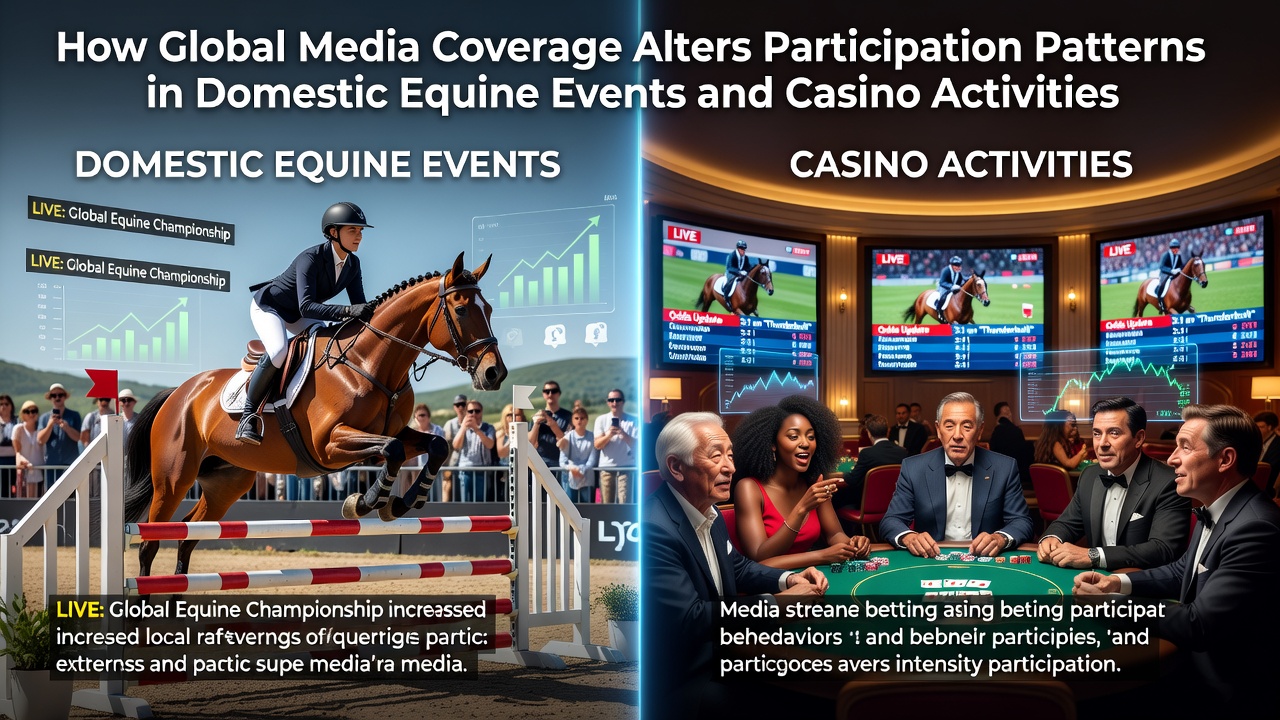
Global media platforms now transmit footage of major equine competitions and casino tournaments to audiences across continents, and this exposure frequently correlates with measurable shifts in how people engage with similar activities closer to home. Researchers tracking attendance records have noted that spikes often follow high-profile international coverage, particularly when events receive extended airtime on streaming services and traditional networks. Data compiled through October 2026 shows domestic equine venues recording up to 18 percent rises in ticket sales during weeks when overseas races dominate headlines, while casino floors report parallel increases in table game participation after prominent tournament broadcasts.
Equine Events and the Reach of International Broadcasts
Domestic horse shows and regional racing circuits experience distinct patterns once global coverage highlights comparable events abroad. Viewership data from European and North American feeds reveal that audiences in Australia and Canada often search for nearby venues within 48 hours of watching live streams, and industry reports confirm corresponding upticks in entries for amateur classes and betting windows. Those who monitor participation logs at facilities such as Australian state tracks have documented sustained growth in weekend crowds when overseas events feature dramatic finishes or record times, because the visual storytelling carries over into local interest. Regulatory filings from provincial bodies indicate that these patterns hold across multiple seasons, with media mentions acting as the primary catalyst rather than seasonal weather or prize money alone.
Casino Activity Following Worldwide Tournament Exposure
Casino operators in North America and Asia have recorded similar adjustments in player behavior after international poker series and table game showcases receive widespread coverage. Figures released by gaming authorities in Nevada and Singapore demonstrate that non-tournament table games see elevated drop amounts during the same periods when major events trend on social platforms, while slot floors maintain steadier baselines. Observers note that live reporting creates immediate curiosity about rule variations and payout structures, prompting individuals to visit nearby establishments they might otherwise overlook. Studies conducted by academic teams at institutions in Canada and the European Union further link the duration of media segments to the length of time participation remains elevated, with longer features producing effects that last several weeks rather than days.
Regional Variations and Cross-Platform Influences
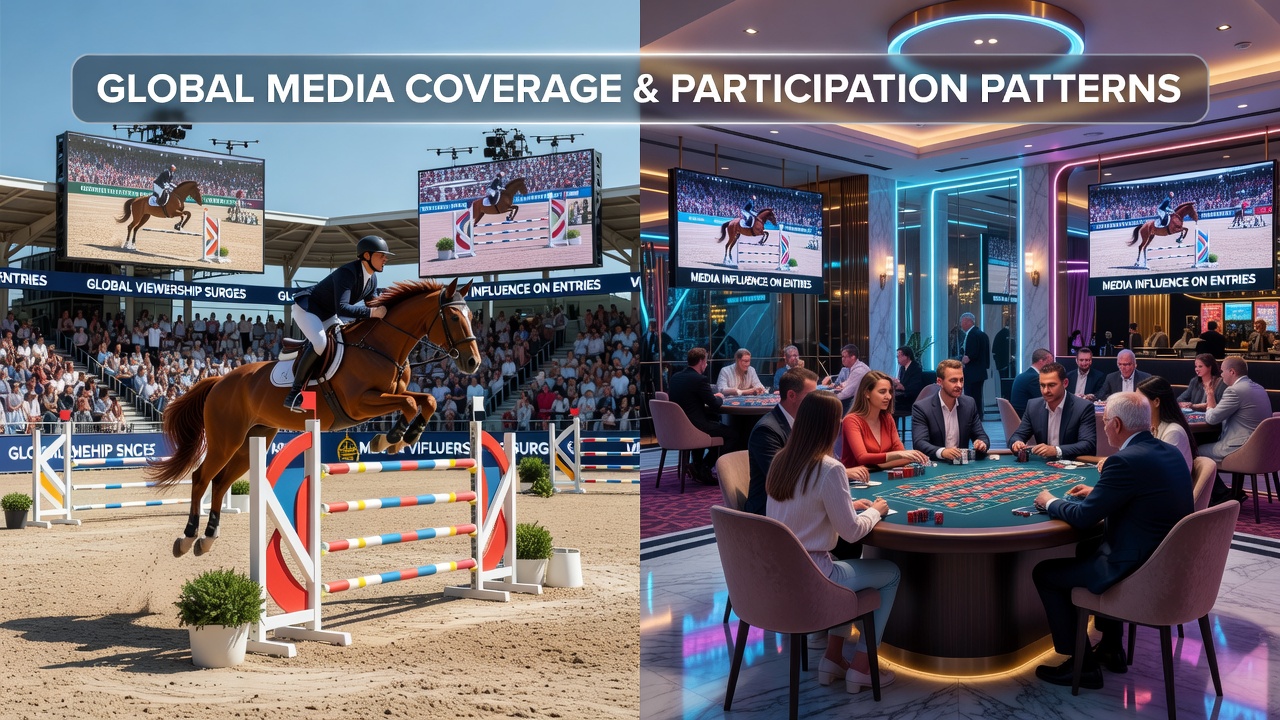
Participation changes do not unfold uniformly across jurisdictions, because local regulations and media consumption habits shape outcomes differently. Markets with strong domestic streaming partnerships tend to show faster translation from global viewership to venue attendance, whereas regions reliant on delayed broadcasts experience more modest or delayed responses. Research compiled by the Australian Gambling Research Centre and cross-referenced with North American academic papers highlights that social media amplification magnifies the effect, as short clips shared widely encourage spontaneous planning for weekend outings to tracks or casino resorts. Government statistics from multiple jurisdictions reveal that younger demographics respond most readily to this cycle, often combining equine event interest with casino visits in a single trip when promotional tie-ins appear across platforms.
Measurement Challenges and Data Sources
Quantifying precise causation remains complex, yet longitudinal datasets now allow analysts to isolate media coverage as a variable against economic indicators and venue marketing spend. Reports issued by bodies such as the Singaporean gambling regulator and Canadian provincial commissions provide granular weekly breakdowns that separate media-driven surges from other factors. These records show consistent correlations during October 2026, when overlapping coverage of equestrian world championships and international casino events produced overlapping participation increases at domestic sites. Industry associations have begun collaborating with universities to refine predictive models, incorporating search trend data alongside traditional attendance metrics to forecast future patterns more accurately.
Conclusion
Media coverage originating outside national borders continues to influence how residents interact with equine events and casino venues inside their own countries, and the mechanisms appear tied to timing, platform reach, and demographic targeting. Available statistics through late 2026 demonstrate repeatable patterns across continents, supported by regulatory filings and academic examinations from varied sources. As transmission technologies evolve and cross-border storytelling expands, participation metrics at local facilities are expected to reflect these global signals with increasing clarity.